
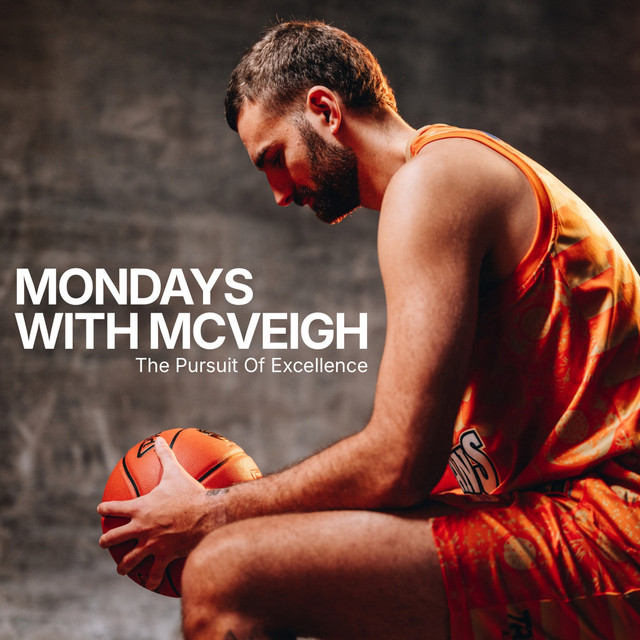
In 2025, I was chasing one clear goal: staying in the NBA.
That chase took shape in ways I didn’t expect. Joining a G League team halfway through a season. Playing a different position with the Houston Rockets. Nights where I felt close, and others where I felt lost.
The hunt for a contract led me to play for the Atlanta Hawks in the Vegas Summer League. I played well, leading our team in scoring, but I still didn’t get picked up.
Goal failed. I was left frustrated.
I moved to Cairns, wanting to lead, wanting to be dominant, wanting to give more.
And again, frustrated.
I was working hard.
But the results weren’t following.
That gap ate at me.
A level of frustration crept into every part of my life.
It affected my performance, but it also affected my peace.
What Is Frustration
Frustration is a goal-oriented state.
It shows up when you care deeply about something, and there’s an obstacle blocking the path. The obstacle is normal — that’s where the growth happens.
What went wrong for me last year was how I responded to those obstacles.
Instead of using frustration as information, I let it turn into burnout, poor performances, and anger — toward myself, toward situations, and toward the game.
The Wrong Perspective
The easy thing to do is blame the situation.
The league.
The timing.
The role.
People.
But suffering isn’t created by circumstances alone. It’s created in the mind.
My frustration wasn’t coming from outcomes or poor results. It was coming from expectations.
Expectations are the gap between the future you assume and the present you’re living.
Somewhere along the way, I started believing that if I worked hard and performed to a certain level, I should be in the NBA.
This became my imaginary truth.
I was writing contracts with people and situations that they never agreed to.
Instead of using goals to create standards and habits, I used them to create entitlement.
And entitlement is gasoline for frustration.
When the world doesn’t move the way you think it should — because you behaved a certain way — frustration takes over.
The Shift
To help with my frustration, I’ve been leaning on an old Buddhist story about two arrows.
Life is holding a bow, firing arrows through the air.
You will inevitably get hit by one.
You’ll get cut from teams.
You’ll miss shots.
You’ll get hurt.
That arrow causes pain — and it’s unavoidable.
But when that second arrow is flying your way, you have the chance to dodge it.
The second arrow is the story you tell yourself about the first one.
When I didn’t make the NBA, the stories came fast:
“They don’t like me.”
“My play style doesn’t fit.”
“The world is against me.”
Those stories created my frustration.
I wasn’t dodging the second arrow.
I was actively walking into it.
The work I needed to do was to accept reality as it is, practice gratitude for what I do have, and continue living up to my standards — without rewriting reality to suit my expectations.
A Better Way to Hold Ambition
Goals aren’t guarantees.
Effort isn’t a contract.
Standards aren’t entitlements.
They’re directions.
In 2026, I cannot keep demanding that life go the way I want. I will still train hard. Still hold high standards. Still chase improvement. But take each step as it comes.
Because expectations create frustration, which takes away my inner peace.
The Playbook
Here’s what I’m carrying forward:
Use goals to guide behaviour, not judge reality
Notice expectations early — resentment is the warning sign
Hold standards, release entitlement
Frustration is what craving feels like in the nervous system.
Life doesn’t go as you plan. And this year, I spent too much time wishing reality were different. It led to sleepless nights and overthinking days.
This year, I want to spend more time eating than hunting.
To slow down.
To enjoy the campfire I’ve built.
To approach new projects with curiosity instead of desperation.
Because if everything went exactly how you planned it, life would be unbearably boring.
And frustration would have nothing left to teach you.